Prematurity can cause a range of vision problems. Fortunately, optometrists offer a range of treatments and devices that can improve your child's ability to see.
Read more

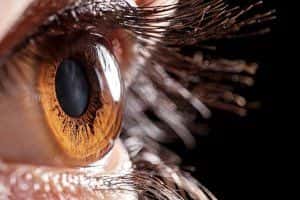
The cornea is the clear, dome-shaped outer layer of your eye. It is comprised of five layers. Each is responsible for a separate function. This collection of cells, fluids and proteins must remain clear and undisturbed in order for you to see well, and to shield your eyes from dust and germs. The cornea protects your lens and iris, and is responsible for about 70 percent of the eye’s focusing power.
Unfortunately, the cornea is susceptible to a range of disorders, which are collectively referred to as corneal disorders. The following are some common corneal disorders that can affect this sensitive and important part of the eye.
Corneal disorders can be frightening, but researchers have developed many treatments. If you have any symptoms of corneal disorders, call us today so we can discuss your treatment options.
Prematurity can cause a range of vision problems. Fortunately, optometrists offer a range of treatments and devices that can improve your child's ability to see.
Read moreAmblyopia, also known as lazy eye, is a visual disorder caused by abnormal vision development, often occurring during infancy. Patients with amblyopia have reduced vision in one eye, because it is not working properly in conjunction with the brain. With early detection and proper treatment, loss of
Read moreGlaucoma is a serious disorder that can damage the optic nerves of your eyes if left untreated. The optic nerve carries images from your eyes to your brain. If the nerve is damaged, full or partial vision loss can occur. In some cases, people develop glaucoma because the pressure in their eyes begins
Read moreDiabetic retinopathy refers to several eye problems that are characterized by damage to the light-sensitive retina, caused by excessive blood sugar levels. Almost half of Americans with diabetes suffer from some level of diabetic retinopathy. When glucose levels in the blood are not properly controlled,
Read moreGlaucoma is the second leading cause of blindness worldwide, reports the Glaucoma Research Foundation. This common eye condition typically affects older adults, although infants and young adults are also at risk. Fortunately, however, cutting-edge research is improving diagnosis and treatment of this
Read moreStrabismus is the medical term for the misalignment of the eyes. Commonly referred to as cross-eyed or wall-eyed, strabismus may involve either one or both eyes turning inward, outward or even up or down. It is one of the most common vision conditions in young children, affecting somewhere between 2
Read moreAstigmatism is an extremely common eye condition that affects both children and adults. It occurs when there is an imperfection in some part of your cornea, the clear tissue that covers your iris. Light rays pass through the cornea as they travel to the retina, a thin layer of cells at the back of your
Read moreIf you have never suffered from dry eye, you might not appreciate how important your tears are to your eye health. Without enough moisture, your eyes can become dry, itchy, red and uncomfortable. Dry eye occurs when you do not make enough tears or the tears you produce are not high quality. The Importance
Read moreContacts are a smart choice for individuals who are active and dislike the feeling of wearing glasses. However, the process of caring for contacts and getting used to them can take a week or two. Navigate the transition with ease by learning how to properly care for contacts and becoming familiar with
Read moreSpecialty contact lenses are a fun way to change your eyes to look like your favorite entertainer or to create a spectacular costume. Specialty contacts, sometimes called decorative, fashion or theater contact lenses, temporarily change the look of your eyes without correcting your vision. Eye care professionals
Read moreOphthalmologists, optometrists and opticians all play an integral role in eye and vision care. While they often work in collaboration, they require varying levels of education and are qualified to help you and your eyes in different ways. If you aren’t sure who to talk to about your eyes, keep reading
Read moreAlmost every person experiences some form of eyelid twitching in his or her lifetime. Known medically as blepharospasm, eyelid twitching is characterized by the involuntary movement or spasm of the eyelid muscles. Spasms typically occur every few seconds over the course of several minutes. Twitching
Read moreVision therapy is a doctor-supervised program that helps people of all ages improve their visual-motor skills. Therapy helps your eyes and brain work together better, even if you have perfect vision. For years, people believed that some types of eye conditions, such as lazy eye or crossed eyes, could
Read moreStudies show that dry eyes are one of the most common eye problems throughout the United States. Dry eyes are caused by a lack of quality tear production, and are most common in both men and women over the age of 50. Tear production can be limited by a variety of causes; one of the most common is a specific
Read moreIt feels like a natural thing to rub your eyes when they are itchy, watery, or otherwise irritated. Keeping your hands away from your eyes, however, is a smart choice for promoting better eye health. Rubbing your eyes can lead to everything from eye injuries to damaged vision. Rubbing your eyes offers
Read moreAs you’ve probably heard, carrots are good for your eyes. Technically, they can’t give you superhero-quality eyesight like you may have been told when you were young, but they do contain ingredients that are instrumental in protecting your vision and overall health. Carrots are rich in beta-carotene
Read more